
Small Japanese waste baskets, more than just receptacles, are elegant expressions of meticulous design and cultural appreciation. From their minimalist aesthetic to the careful consideration of materials and construction, these miniature works of art seamlessly integrate into any space, fostering a sense of order and calm. This exploration delves into the world of these understated yet impactful accessories, examining their history, functionality, and modern adaptations.
This analysis will explore the diverse materials used in crafting these baskets, examining their impact on both aesthetics and durability. We’ll also investigate the cultural significance of waste baskets in Japanese design, contrasting their use with other cultural contexts. The detailed descriptions will highlight the visual appeal, emphasizing how lighting, shape, and size affect the overall presentation of the basket.
Product Description
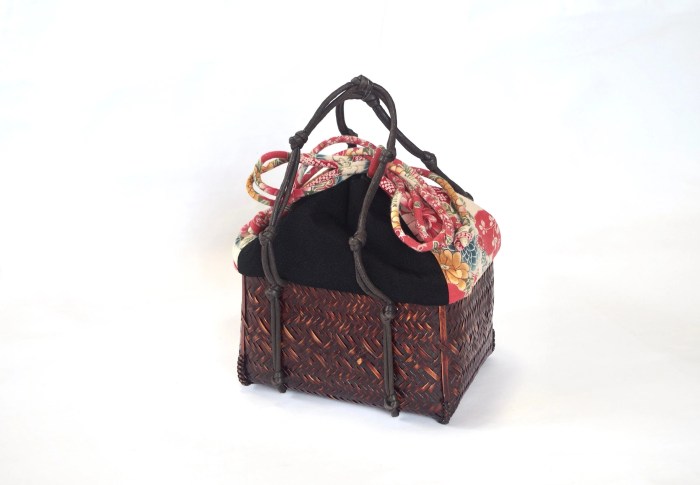
Small Japanese waste baskets, often called “suiri,” are more than just receptacles for discarded items; they’re meticulously crafted vessels that seamlessly integrate aesthetic appeal with practicality. Their minimalist design, frequently drawing inspiration from traditional Japanese aesthetics, reflects a deep appreciation for form and function. These small, often elegantly shaped receptacles are a subtle yet significant addition to any home or workspace.
Materials
Japanese waste baskets are commonly constructed from natural materials, prioritizing sustainability and aesthetic harmony with the surrounding environment. Bamboo, a readily available and renewable resource, is a popular choice, offering a light, airy feel. Other materials include various types of wood, such as cherry or maple, selected for their beautiful grain patterns and durability. Ceramic, particularly in glazed or unglazed finishes, is another popular option, offering a smooth, polished surface and a range of potential color palettes.
Recycled materials are increasingly used in modern designs, demonstrating a commitment to environmental consciousness.
Sizes and Dimensions
Small Japanese waste baskets are generally compact, designed to fit discreetly into various spaces. Typical dimensions for these baskets can range from 6 inches to 12 inches in height, and 6 inches to 10 inches in diameter. Precise measurements vary significantly depending on the specific design and intended use. The size is often selected to complement the space and the amount of waste it is expected to accommodate.
Styles and Designs
The range of styles in small Japanese waste baskets is vast, reflecting the diversity of Japanese design traditions. Some baskets exhibit clean, simple lines, emphasizing their functionality. Others showcase intricate details, such as carvings or inlaid patterns, highlighting the craftmanship involved. The choice of design often reflects the user’s personal preferences and the overall aesthetic of the room or space.
Styles may include round, square, or oblong shapes, each adding a unique visual element to the space.
Color Options
Japanese waste baskets offer a spectrum of colors, from natural wood tones to vibrant hues. Natural finishes, such as the warm tones of bamboo or the rich hues of cherry wood, are highly valued for their connection to nature. Glazed ceramic baskets provide a wider range of color choices, including muted pastels, deep jewel tones, and bold contrasts.
The selection of colors often aligns with the surrounding décor, creating a harmonious and visually appealing space.
Usage and Function
Small Japanese waste baskets, a ubiquitous element in Japanese homes and offices, transcend mere functionality. Their aesthetic appeal and thoughtful design seamlessly integrate into various settings, contributing to a sense of order and calm. Beyond their practical role, these baskets often reflect a deep-seated cultural appreciation for tidiness and respect for the environment.The small Japanese waste basket, with its minimalist form and often natural materials, is a powerful tool for maintaining a clutter-free space.
Its compact size makes it easily adaptable to diverse environments, from the home to the office, and its subtle design allows it to complement a variety of décor styles. These baskets foster a sense of calm and organization, reducing visual distractions and contributing to a more productive and harmonious atmosphere.
Typical Applications in the Home
Small waste baskets are indispensable in various domestic scenarios. Their understated elegance and versatility allow them to blend seamlessly with any decor. A kitchen counter, often cluttered with utensils and food prep items, can benefit greatly from a small waste basket for discarding scraps and paper. In the living room, a small basket can be discreetly placed beside a sofa or coffee table to manage small waste items.
Bedrooms can also benefit from their presence, offering a place for discarding personal items like tissues or small packaging. These baskets help prevent clutter buildup and promote a more orderly and hygienic environment.
Typical Applications in the Office
In professional settings, small waste baskets play a crucial role in maintaining a clean and organized workspace. A dedicated basket on each desk or in meeting rooms ensures that paper and other waste are promptly discarded, contributing to a professional and efficient atmosphere. These baskets can be used to collect waste paper, receipts, and other miscellaneous items, helping employees maintain a tidy workspace and reducing the need for larger receptacles.
Their presence reinforces a culture of tidiness and respect for the workspace, contributing to a more productive and efficient environment.
Cultural Significance in Japanese Design
The use of waste baskets in Japanese design reflects a strong cultural emphasis on order, cleanliness, and respect for the environment. The minimalist aesthetic of these baskets aligns perfectly with Japanese design principles, which often prioritize simplicity and harmony. The baskets’ subtle presence does not detract from the surrounding space but rather complements and enhances it. Their ability to discreetly manage waste underscores the cultural importance of maintaining a clean and organized environment.
This aspect often transcends the purely practical function, reflecting a deeper cultural appreciation for aesthetics and the harmonious integration of objects within a space.
Situations for Appropriate Use
- Kitchen Counters: Discarding food scraps and paper, promoting a clean and organized workspace.
- Living Room: Managing small waste items near sofas or coffee tables, preventing clutter buildup and maintaining a tidy space.
- Bedrooms: Discarding personal items like tissues or small packaging, promoting a clean and orderly atmosphere.
- Desks/Workstations: Collecting waste paper, receipts, and other miscellaneous items, contributing to a professional and efficient workspace.
- Meeting Rooms: Ensuring that paper and other waste are promptly discarded, promoting a professional and efficient atmosphere.
- Small, Dedicated Areas: Complementing the aesthetic and maintaining a clutter-free environment in areas with limited space, such as a desk or a bedside table.
Design Considerations
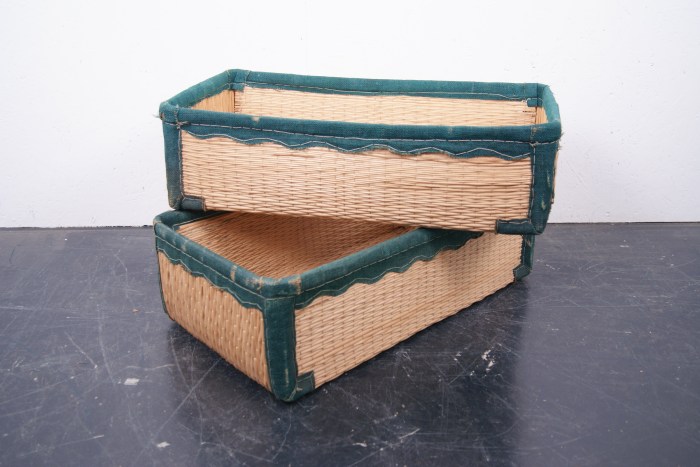
Small Japanese wastebaskets, often a subtle yet crucial element in interior design, are meticulously crafted to seamlessly blend functionality with aesthetic appeal. Their design reflects a deep-seated appreciation for minimalism and practicality, often employing simple shapes and natural materials to create objects that enhance the surrounding space. This focus on form and function informs choices in material, shape, and size, all contributing to the baskets’ overall impact.The design of these baskets directly influences their functionality.
For instance, a shallow, wide basket might be ideal for collecting small items like paper scraps, while a taller, narrower one could be more suitable for larger items like tissues or used napkins. The basket’s shape also affects its capacity and how efficiently it can be emptied. Furthermore, the material selection impacts the basket’s durability and the overall aesthetic.
Shape and Capacity
The shape of a small Japanese wastebasket significantly impacts its capacity and intended use. A cylindrical shape, for example, offers a consistent volume and is often suitable for smaller, everyday waste. A slightly tapered shape might be used for items like tissues, allowing for easy disposal and minimizing the visual impact of the basket. The basket’s capacity is also a crucial design element, with the volume directly impacting the frequency of emptying.
Aesthetic Elements
Aesthetic elements are vital in creating a sense of harmony and visual appeal. Natural materials like bamboo, wood, and ceramic, often used in these baskets, contribute to their serene and inviting presence. Simple, unadorned designs are common, avoiding overly ornate or distracting patterns. The color palette frequently incorporates neutral tones, such as light browns, greys, and blacks, which seamlessly blend with a variety of interior styles.
The subtle textures of the materials further enhance the basket’s visual appeal, adding depth and dimension to the overall aesthetic.
Comparison of Different Designs
Different designs of small Japanese wastebaskets vary in visual appeal based on the interplay of shape, size, and material. A sleek, minimalist basket crafted from polished bamboo might appeal to those seeking a contemporary aesthetic, while a basket with a slightly more ornate, traditional shape from ceramic could complement a more traditional or eclectic decor. The choice depends heavily on the intended interior design style and the overall desired ambience.
Impact on Room Placement
The shape and size of a small Japanese wastebasket significantly impact its placement within a room. A compact, cylindrical basket might easily fit on a countertop or beside a sofa, while a slightly larger, rectangular model could be placed on a floor or near a dining table. The visual harmony between the basket and its surroundings is key; a well-placed basket subtly enhances the room’s aesthetic appeal without overwhelming the space.
Material and Size Comparison
| Material | Shape | Size (approximate) | Placement Considerations |
|---|---|---|---|
| Bamboo | Cylindrical, Rectangular | Small, Medium | Suitable for countertops, desks, and bedside tables. |
| Ceramic | Round, Oval, Square | Small, Medium | Can be placed on the floor, countertops, and dining tables. |
| Wood | Rectangular, Square | Small, Medium | Complements both modern and traditional decor, suitable for various room types. |
The table above highlights the variability in materials, shapes, and sizes of small Japanese wastebaskets, offering insight into how these elements contribute to their visual appeal and suitability for different placement scenarios. Consideration of the material, shape, and size of the basket is critical for achieving a cohesive and harmonious aesthetic.
Cultural Context
Small waste baskets, ubiquitous in Japanese homes, are more than mere receptacles. They embody a deep-seated cultural appreciation for order, cleanliness, and the aesthetic harmony of daily life. This cultural significance influences every aspect of their design and function, contributing to their unique role in maintaining a sense of tranquility and respect for surroundings.
Historical Significance of Waste Baskets
Japanese culture places a high value on maintaining a clean and organized living space, a practice deeply rooted in historical principles of respect for nature and mindful living. Waste baskets, even in their simplest forms, play a crucial role in this ethos. Historically, the meticulous organization of spaces reflected a societal emphasis on mindfulness and the avoidance of waste, which was viewed as a disruption to the natural order.
This attention to detail, encompassing even seemingly small items like waste baskets, speaks to a broader cultural value of maintaining harmony and balance in all aspects of life.
Cultural Symbolism Associated with Small Japanese Waste Baskets
The understated elegance and practicality of small Japanese waste baskets often convey a subtle symbolism. These baskets frequently feature minimalist designs, reflecting a preference for understated beauty and simplicity in Japanese aesthetics. The basket’s function, seamlessly integrating into the home environment, symbolizes the Japanese cultural emphasis on harmony between objects and the surrounding space. This subtle aesthetic speaks to a deeper cultural value of maintaining balance and respecting the natural world.
Influence of Japanese Aesthetics on Design and Function
Japanese aesthetics, encompassing principles of wabi-sabi and yugen, deeply influence the design and function of these baskets. Wabi-sabi, emphasizing the beauty of imperfection and impermanence, often manifests in the natural materials used in the basket’s construction, such as bamboo or wood. Yugen, signifying a profound beauty that is subtly hinted at rather than overtly displayed, is reflected in the basket’s understated design and its seamless integration into the home’s decor.
This integration signifies a respect for the environment and the preservation of harmony.
Role of Small Japanese Waste Baskets in Maintaining Harmony
Small Japanese waste baskets play a vital role in maintaining harmony within Japanese homes. Their discreet placement, often integrated into the overall design of a room, ensures that waste disposal does not disrupt the visual aesthetics of the space. This consideration for the visual harmony is a key aspect of Japanese interior design principles, where every element contributes to a sense of calm and tranquility.
Furthermore, the ease of use and placement of these baskets contributes to a seamless and mindful approach to daily living.
Comparison of Waste Basket Use Across Cultures
| Cultural Context | Japanese Culture | Other Cultures |
|---|---|---|
| Purpose | Maintaining visual harmony and cleanliness; integral part of daily life. | Varied, often more utilitarian; emphasis on function over form may be greater. |
| Design | Often minimalist, blending seamlessly with the environment; emphasis on natural materials. | Diverse designs, often reflecting local materials and aesthetics. |
| Symbolism | Harmony, respect for the environment, and balance. | May have different symbolic meanings or no symbolism. |
| Placement | Discreet and integrated into the overall decor. | Often placed in more noticeable or designated locations. |
This table highlights the contrast in the role of waste baskets across different cultures, emphasizing the distinct cultural significance they hold within the Japanese context. While waste baskets serve a practical function universally, the way they are perceived and integrated into the home environment differs significantly.
Materials and Construction
Small Japanese waste baskets, a ubiquitous element of Japanese homes, often reflect a meticulous approach to both functionality and aesthetics. The choice of materials and construction methods contributes significantly to their enduring appeal, often balancing practicality with cultural values. The materials selected and the craftsmanship involved create a synergy that contributes to their long-term performance and visual harmony with their surroundings.The selection of materials for Japanese waste baskets is deeply rooted in tradition and often dictated by the basket’s intended purpose and aesthetic considerations.
Natural materials, with their inherent textures and colors, are frequently favored, and the manufacturing processes employed often highlight the meticulous craftsmanship and respect for the materials. The durability and lifespan of these baskets are significantly influenced by the quality of the materials and the expertise of the artisans involved.
Materials Commonly Used
Traditional materials for small Japanese waste baskets include bamboo, rattan, and various types of wood. These materials are often chosen for their inherent strength, flexibility, and aesthetic appeal. Each material brings unique characteristics to the final product. The specific choice depends on the desired balance of aesthetics, durability, and cost.
Manufacturing Processes
The manufacturing processes for small Japanese waste baskets are often labor-intensive and rely on traditional techniques passed down through generations. The processes vary based on the chosen material, but generally involve meticulous cutting, shaping, and weaving techniques. In bamboo and rattan baskets, for example, the weaving process requires considerable skill to achieve the desired strength and design. Wooden baskets might involve intricate carving or shaping techniques to achieve the intended form and aesthetic.
Durability and Lifespan Comparison
The durability and lifespan of small Japanese waste baskets vary depending on the material. Bamboo baskets, while lightweight and aesthetically pleasing, might have a shorter lifespan than rattan or wooden counterparts, especially in humid environments. Rattan, with its inherent strength and water resistance, tends to provide a longer lifespan. Wooden baskets, particularly those made from hardwood, are known for their robustness and longevity, but can be more expensive to produce.
Construction Techniques
Construction techniques in small Japanese waste baskets are often deeply rooted in traditional methods. These techniques focus on creating baskets that are both aesthetically pleasing and structurally sound. The meticulous weaving of bamboo or rattan, for example, ensures a strong and flexible basket capable of withstanding daily use. In wooden baskets, precise shaping and joining techniques are crucial to maintaining the structural integrity and longevity of the piece.
Table: Pros and Cons of Different Materials
| Material | Pros | Cons |
|---|---|---|
| Bamboo | Lightweight, aesthetically pleasing, readily available, relatively inexpensive | Susceptible to moisture damage, may have a shorter lifespan compared to other materials |
| Rattan | Strong, flexible, water-resistant, good durability | Can be more expensive than bamboo, may require more specialized weaving techniques |
| Wood (e.g., Cherry, Maple) | Durable, long lifespan, aesthetically versatile, can be intricately carved | More expensive than bamboo or rattan, can be heavier, may require specialized finishing to prevent decay |
Visual Representation
Small Japanese waste baskets, integral to Japanese domestic aesthetics, exhibit a diverse range of visual representations reflecting cultural values and design principles. Their understated elegance often blends seamlessly with the surrounding environment, emphasizing functionality alongside form.
Visual Representations of Small Japanese Waste Baskets
The visual representations of small Japanese waste baskets are deeply rooted in traditional Japanese design principles, prioritizing minimalism, natural materials, and subtle aesthetics. These baskets are often not the focal point of a room but rather complement the overall design, showcasing the space’s harmony and balance.
Imagery Associated with Small Japanese Waste Baskets
The imagery associated with small Japanese waste baskets often draws inspiration from nature. Curved lines, reminiscent of flowing water or gently sloping hills, are frequently employed. These baskets frequently feature a muted palette, evoking a sense of serenity and tranquility. A common aesthetic element is the use of natural materials and textures, further enhancing the connection to the environment.
The design often emphasizes functionality and simplicity, avoiding excessive ornamentation or distracting elements.
Colors Used in Small Japanese Waste Baskets
Small Japanese waste baskets typically feature a restrained color palette. Earthy tones like muted browns, grays, and greens are common, echoing the colors found in nature. Variations may incorporate subtle accents of black or white, adding a touch of contrast and visual interest. The goal is to create a calming and unobtrusive aesthetic that complements the surroundings.
Occasionally, brighter colors, such as a soft indigo or a pale ochre, are used for decorative accents or to reflect specific cultural or seasonal motifs.
Impact of Lighting on Visual Appearance
Different lighting conditions can significantly alter the visual appearance of small Japanese waste baskets. Natural light, especially soft diffused light, can enhance the natural warmth and subtle textures of the materials. Artificial lighting, particularly warm-toned light, can cast a gentle glow, highlighting the basket’s form and subtle details. Strong, harsh lighting, on the other hand, can create stark shadows and potentially diminish the delicate aesthetic of the basket.
The basket’s appearance is thus closely tied to the lighting environment.
Detailed Description of Visual Representations
| Visual Representation | Description | Materials | Color Palette |
|---|---|---|---|
| Natural Material Basket | A simple, rounded basket crafted from natural bamboo or rattan. The basket’s form is organic and unadorned, emphasizing the basket’s connection to nature. | Bamboo, Rattan | Muted browns, natural tans, and light greens. |
| Minimalist Design Basket | A sleek, geometric basket with clean lines. Minimalist design often employs a single, unadorned material, focusing on the form and texture of the material itself. | Ceramic, Wood | Neutral tones like off-white, gray, or black. |
| Accent Basket | A small basket designed as a decorative accent. The basket may incorporate subtle details or patterns, adding a touch of elegance or cultural symbolism. | Lacquer, Wood | Earthy tones with accents of deep blues or soft reds. |
Placement and Organization
Small Japanese wastebaskets, often crafted from natural materials and imbued with a sense of understated elegance, require thoughtful placement to complement the surrounding aesthetic. Strategic positioning not only enhances the visual appeal of a space but also promotes a sense of order and mindfulness. Proper placement and organization of these functional yet decorative items can significantly improve the overall harmony and flow of a room.
Optimal Placement Options
Careful consideration of the surrounding environment is crucial for achieving a harmonious aesthetic. These baskets should be placed in areas where they seamlessly integrate with the existing decor. Proximity to high-traffic areas is important for accessibility and convenience. However, placement should avoid disrupting the overall visual balance.
Visual Harmony in Placement
Maintaining visual harmony is paramount. Consider the color palette, textures, and overall style of the room when selecting a placement location. The basket’s material and color should complement the existing décor, not clash with it. A subtle contrast can create visual interest, but jarring differences can disrupt the room’s aesthetic.
Strategic Organization in Living Spaces
Strategic placement is essential to maximize functionality without sacrificing aesthetics. For instance, in a living room, a small wastebasket can be positioned near a seating area, ensuring convenient access for guests and residents. In a dining area, a discreet placement near the table or buffet ensures easy disposal of remnants. In bedrooms, a discreet placement near a bedside table or dresser provides an unobtrusive, yet accessible, option.
Home Office or Study Placement
In a home office or study, placement should prioritize accessibility and visual appeal. A small basket positioned near the workspace ensures quick disposal of papers and other waste without hindering workflow. A well-chosen location can improve the overall organization and efficiency of the workspace. Avoid placing it in a central or prominent area, instead focusing on a functional yet inconspicuous location.
Placement Ideas by Room Setting
| Room Setting | Placement Idea | Visual Considerations |
|---|---|---|
| Living Room | Near a sofa or coffee table | Matches the color scheme and texture of the surrounding furniture. |
| Dining Room | Near the table or buffet | Subtle and unobtrusive, complementing the dining set. |
| Bedroom | Near a bedside table or dresser | Small and understated, doesn’t disrupt the calm atmosphere. |
| Home Office/Study | Near the workspace or desk | Discreet and convenient, facilitating easy access. |
| Kitchen | Near the sink or counter | Durable and water-resistant material, suitable for wet waste. |
Maintenance and Care
Preserving the aesthetic appeal and longevity of small Japanese waste baskets hinges on meticulous cleaning and maintenance. These functional yet elegant receptacles require specific care to ensure they retain their beauty and utility over time. Understanding the materials and construction is key to preventing damage and maximizing their lifespan.Proper care is crucial to maintaining the delicate balance between function and aesthetics.
The natural materials often used in these baskets, such as bamboo, wood, or rattan, respond differently to various cleaning methods. Neglecting proper maintenance can lead to premature deterioration, compromising the basket’s structural integrity and visual appeal.
Cleaning Methods
A gentle approach is paramount when cleaning small Japanese waste baskets. Harsh chemicals or abrasive materials can damage the natural fibers and diminish their visual appeal. The appropriate cleaning method depends on the basket’s material. For instance, bamboo baskets often benefit from a damp cloth, while wooden baskets might require a slightly dampened cloth with a touch of mild dish soap.
Rattan baskets, due to their woven structure, typically respond best to a soft brush and mild soap solution.
Avoiding Damage
Preventing damage to the basket’s material is crucial for its longevity. Avoid submerging the basket in water, as this can lead to warping or weakening of the fibers. Similarly, prolonged exposure to direct sunlight or excessive moisture can cause discoloration or structural damage. It is also important to keep the basket away from sharp objects that could scratch or pierce the material.
Maintaining Aesthetic Appeal
Maintaining the aesthetic appeal of a small Japanese waste basket is about more than just cleanliness. Regular dusting, especially for baskets with intricate carvings or painted details, helps to keep them looking pristine. Using a soft-bristled brush to remove dust and debris can maintain the basket’s original sheen and texture. Periodically inspecting the basket for any signs of wear or damage is essential to address issues promptly and prevent them from worsening.
Step-by-Step Cleaning and Maintenance Guide
- Assessment: Carefully examine the basket for any signs of damage, dirt buildup, or structural issues. Note the material of the basket (bamboo, wood, or rattan) to tailor the cleaning approach.
- Preparation: Gather the necessary supplies. This includes a soft cloth, a soft-bristled brush (for intricate details), mild dish soap (if needed), and a clean bucket of water.
- Cleaning: For bamboo or rattan baskets, use a damp cloth to wipe away surface dirt and debris. For wooden baskets, a slightly damp cloth with a touch of mild dish soap may be needed. Avoid soaking the basket. Gently remove any dust or particles from carvings or painted details using a soft brush.
- Drying: Gently pat the basket dry with a soft cloth. Avoid harsh rubbing, which can damage the material. Allow the basket to air dry completely in a cool, shaded area. Do not place it directly in the sun or near a heat source.
- Inspection: After drying, thoroughly inspect the basket for any remaining dirt or damage. Address any identified issues immediately.
Pricing and Availability
Small Japanese waste baskets, prized for their aesthetic and functional design, command a range of prices reflecting the materials, craftsmanship, and brand recognition. Factors like the basket’s size, material quality, and intricate detailing contribute significantly to the price point. The availability of these baskets depends on both retail channels and the specific artisan or manufacturer.
Pricing Ranges
Pricing for small Japanese waste baskets varies significantly, often falling between $20 and $200. Entry-level baskets, constructed from readily available materials like bamboo or simple wood, typically sell for the lower end of this spectrum. Higher-end baskets, often crafted from lacquered wood, ceramic, or featuring intricate metalwork, command prices at the upper end. Luxury models, often signed by renowned artisans, can exceed $200.
Factors Influencing Cost
Several factors influence the price of these baskets. The quality and rarity of the materials are key determinants. Hand-crafted items, with meticulous attention to detail and intricate designs, will inevitably carry a higher price tag than mass-produced versions. The level of craftsmanship, the specific techniques employed by the artisan, and the basket’s size and complexity all contribute to the overall cost.
Demand also plays a role; limited-edition or highly sought-after designs can command premium prices.
Purchasing Channels
Small Japanese waste baskets are available through diverse channels. Online retailers, including specialized Asian goods marketplaces and e-commerce platforms, offer a wide selection and convenient global reach. Direct purchases from Japanese artisans or their representatives are also viable options. Retail outlets specializing in home decor, particularly those with a focus on Asian design, often carry curated collections of these baskets.
Potential Sources
Reliable sources for small Japanese waste baskets include online marketplaces like Etsy and specialized Japanese import retailers. Direct engagement with Japanese craft communities or artisans, possibly through online platforms or international design fairs, is another avenue for sourcing these items. Luxury boutiques and home decor retailers specializing in Asian aesthetics are potential sources for high-end models.
Pricing and Availability Table
| Basket Type | Material | Estimated Price Range ($) | Availability (Online/Retail) |
|---|---|---|---|
| Bamboo Hand-woven | Bamboo | $20-$50 | High Online, Moderate Retail |
| Lacquered Wood | Lacquered Wood | $50-$150 | Moderate Online, Moderate Retail |
| Ceramic with Intricate Design | Ceramic | $75-$200 | Moderate Online, Low Retail |
| Metal with Hand-forged Accents | Metal | $100-$250 | Low Online, Low Retail |
Note: Prices are estimates and may vary based on specific designs, sizes, and current market conditions. Availability depends on the retailer and current inventory.
Modern Adaptations
Small Japanese wastebaskets, often crafted from natural materials and imbued with a sense of minimalist elegance, are finding new life in contemporary design. Contemporary designers are reinterpreting these traditional forms, incorporating them into diverse modern home decor styles while retaining the core aesthetic principles. This evolution demonstrates a growing appreciation for the enduring appeal of Japanese design principles.Modern interpretations are not simply rehashes of the past.
They incorporate new materials and manufacturing techniques, while maintaining the core aesthetic of understated elegance and functionality. The subtle shifts in design often reflect the changing demands and preferences of contemporary living.
Modern Material Choices
The traditional materials like bamboo and paper are being complemented by a wider array of materials, reflecting the diverse palette of modern aesthetics. Manufacturers are incorporating sustainable and ethically sourced materials like recycled plastics, reclaimed wood, and even ceramic or metal accents. This shift allows for a greater variety of color palettes and textures, while also promoting environmentally conscious design.
For instance, a wastebasket might feature a sleek, matte black finish made from recycled plastic, or a warm, natural-toned ash wood exterior.
Design Modifications in Modern Adaptations
Modern adaptations frequently modify traditional designs by adding subtle elements that enhance functionality and aesthetics. These modifications include adjusting the basket’s profile for better ergonomics or adding handles for easier transport. The addition of integrated compartments for separating different types of waste or the incorporation of hidden storage solutions are common additions. Furthermore, the use of innovative, modern finishes and color schemes gives the wastebaskets a contemporary appeal.
Comparison of Traditional and Modern Designs
| Feature | Traditional Small Japanese Waste Basket | Modern Adaptation |
|---|---|---|
| Material | Bamboo, paper, wood | Recycled plastic, reclaimed wood, ceramic, metal, or combinations |
| Shape | Typically rounded or oblong, often with a slightly tapered form | Can be rounded, oblong, or angular, with more sculpted forms, or incorporating elements of asymmetry |
| Color Palette | Natural tones, muted colors | Wider range of colors, including bolder shades, or monochromatic schemes |
| Functionality | Basic waste disposal | Potential for additional features like integrated compartments for recycling, storage, or even built-in odor-control mechanisms. |
| Aesthetic | Emphasis on simplicity, minimalism, and natural materials | Blending traditional aesthetics with contemporary sensibilities, and reflecting current home decor styles, including Scandinavian, minimalist, or industrial design |
Incorporating Small Japanese Wastebaskets into Modern Homes
Modern interpretations of small Japanese wastebaskets are increasingly featured in diverse home decor styles. Their minimalist aesthetic complements the clean lines of contemporary interiors. They can be seamlessly integrated into minimalist spaces or juxtaposed against more eclectic designs. The understated elegance of the wastebaskets can act as a focal point in a room, drawing attention to their aesthetic qualities without overpowering the surrounding decor.
Their versatile nature allows them to be placed in various locations, from bathrooms to kitchens, bedrooms, or even entryways, where they provide both function and a touch of subtle Japanese design.
Alternatives and Comparisons
Small Japanese waste baskets, often crafted from natural materials and imbued with a distinctive aesthetic, stand apart in the world of waste receptacles. Their compact size and often minimalist design make them ideal for specific spaces, contrasting with the bulkier, more functional designs common in other cultures and applications. Understanding these alternatives and comparisons reveals the nuanced design choices that contribute to the unique appeal of these Japanese baskets.
Comparison to Other Small Waste Containers
Small waste containers come in a variety of materials and designs, each with its own set of advantages and disadvantages. Plastic bins, while inexpensive and readily available, lack the aesthetic appeal and often the durability of handcrafted options. Metal receptacles, though sturdy, may not always complement the intended decor. The unique appeal of Japanese waste baskets lies in their integration of form and function, prioritizing aesthetics alongside practicality.
This focus on form and function distinguishes them from purely utilitarian containers.
Analysis of Differences
Japanese waste baskets, particularly those made from bamboo or other natural materials, often exhibit a focus on organic shapes and textures. This contrasts sharply with the often-angular and geometric designs found in modern plastic bins. Furthermore, their emphasis on subtle details, such as the precise joinery in wooden baskets, contributes to a level of craftsmanship rarely seen in mass-produced alternatives.
Their inherent beauty transcends their function as waste receptacles.
Similar Designs in Other Cultures
While the specific aesthetic of Japanese waste baskets has unique roots, echoes of similar design principles can be found in other cultures. For instance, the emphasis on natural materials and simple forms resonates with some aspects of Scandinavian design, which also values sustainability and minimal aesthetics. These similarities highlight universal design principles that transcend cultural boundaries, while the specific execution of Japanese waste baskets remains distinct.
Unique Characteristics
The unique characteristics that set small Japanese waste baskets apart include their focus on natural materials, their often minimalist design, and their emphasis on craftsmanship. These factors contribute to a distinct aesthetic that integrates beauty and function. The inherent connection to nature, through the use of natural materials, also provides a sense of calm and serenity, which is not often a prominent feature in mass-produced alternatives.
Table of Differences and Similarities
| Characteristic | Small Japanese Waste Baskets | Other Small Waste Containers (e.g., Plastic Bins) |
|---|---|---|
| Material | Bamboo, wood, rattan, paper | Plastic, metal |
| Design | Organic shapes, often minimalist, emphasis on craftsmanship | Geometric, angular, often mass-produced |
| Aesthetics | Integrates beauty and function, often complements decor | Primarily functional, may not enhance the aesthetic of a space |
| Durability | Dependent on material, but often durable with proper care | Dependent on plastic type, can be prone to breakage or damage |
| Cultural Context | Deeply rooted in Japanese aesthetics and principles of sustainability | Often without specific cultural associations |
Last Recap
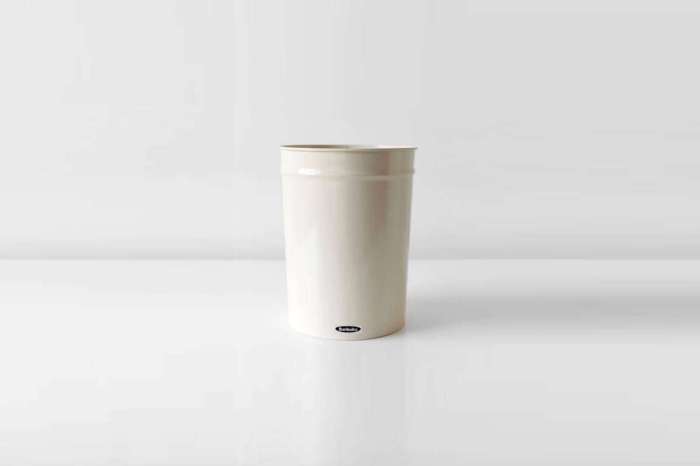
In conclusion, Japanese waste baskets, even in their small size, offer a compelling blend of form and function. Beyond their practical use, they represent a deep-rooted cultural appreciation for aesthetics and order. This comprehensive look at their design, materials, and cultural context underscores their enduring appeal and versatile application in modern homes and offices. Understanding the nuances of these small yet significant items allows us to appreciate the meticulous attention to detail that defines Japanese design.
